

What to Expect from Professional Hardwood Floor Installers in Raleigh

Hardwood flooring remains one of the most popular upgrades for homeowners in Raleigh, NC—thanks to its beauty, durability, and ability to add long-term value to any home. But achieving that magazine-worthy finish depends on more than just choosing high-quality hardwood planks. The real difference lies in the craftsmanship and technical skill of the professional hardwood floor installers you hire in Raleigh.
From the way installers assess your home’s humidity levels to the tools they use for precision cutting, every step influences how well your floors will look and perform over time. This expanded guide walks you through what to expect from professional hardwood floor installers in Raleigh, giving you a clear understanding of the process, the standards to look for, and why hiring local experts matters.
Why Choose Professional Hardwood Floor Installers in Raleigh?
Choosing professional installers is more than paying for convenience—it’s about protecting your investment. Raleigh’s blend of historic neighborhoods, modern communities, and changing seasonal humidity creates unique installation challenges that only trained flooring specialists fully understand.
Here’s what professional installers bring to the table:
✔ Expertise with Raleigh’s climate and humidity
Hardwood expands and contracts depending on moisture. Raleigh’s warm summers and cooler winters create fluctuations that require installers to carefully measure moisture levels, recommend the right wood type, and acclimate materials properly.
✔ Familiarity with varying subfloor structures
Homes in Raleigh range from brick ranch-style homes to new builds with concrete slab foundations. Professionals know how to assess and treat each type of subfloor properly.
✔ Access to specialized tools and premium installation materials
This includes industrial-grade sanders, moisture meters, underlayments, adhesives, leveling systems, and dust extraction equipment.
✔ Accurate technical installation
Professional installers follow required manufacturer guidelines, which protect your warranty and ensure the floors last for decades.
✔ Compliance with local building codes and standards
Wake County and the City of Raleigh have specific construction standards. Hiring local ensures compliance and avoids future structural issues.

1. A Complete In-Home Assessment and Accurate Measurement
Before any hardwood is ordered or installed, reputable Raleigh flooring professionals begin with a comprehensive in-home assessment. This step determines whether your space is ready for hardwood and what preparations are needed.
What happens during the assessment?
• Subfloor evaluation
Installers examine your subfloor for:
- Moisture levels
- Cracks or dips
- Unevenness
- Squeaks
- Loose boards or weak areas
- Mold or damage
A stable, level, and dry subfloor is essential for preventing issues like buckling, gaps, or popping sounds later on.
• Room layout and structural considerations
They assess:
- Traffic flow
- Lighting (affects grain visibility)
- Door clearances
- Staircases
- Floor vents
- Wall angles
This helps them plan how planks will be staggered, aligned, and trimmed.
• Detailed measurements
Accurate measurement helps:
- Prevent material shortages
- Reduce waste
- Ensure precise transitions
- Avoid misaligned rows
Installers also confirm the square footage and recommend how much extra material to order for patterns, cuts, and future repairs.
2. Guidance on Choosing the Right Hardwood Material
Once the assessment is complete, your Raleigh installer will help you choose the best hardwood type based on your lifestyle, home structure, and design preference.
Solid vs. Engineered Hardwood
- Solid hardwood
- Ideal for homes with elevated wooden subfloors
- Can be refinished multiple times
- Best for living rooms, hallways, and bedrooms
- Engineered hardwood
- Better for moisture-prone areas, or homes built on concrete slabs
- More stable during seasonal humidity changes
- Works well in basements and kitchens
Popular hardwood species in Raleigh
- Red Oak – classic grain, mid-level hardness, warm tones
- White Oak – highly durable, ideal for high-traffic areas
- Hickory – extremely tough with rich character
- Walnut – deep, elegant tones for luxury homes
- Maple – smooth grain, modern appeal
- Cherry – deepens in color over time
Your installer will help you match the species based on traffic level, pets, lifestyle, and maintenance expectations.
Finish options
Professionals explain differences between:
- Prefinished planks – quicker installation
- Unfinished planks – custom sanded and stained onsite for a seamless finish
They’ll also guide you on sheen levels:
- Matte (modern, hides scratches)
- Satin (most popular; soft glow)
- Semi-gloss (classic shine)
- High-gloss (elegant but shows imperfections)
A good installer doesn’t just install the floor—they help you make the right design and performance decisions.
3. Moisture Testing & Acclimation: Essential for Raleigh Homes
Hardwood reacts to moisture, and with Raleigh’s humid summers and dry winters, acclimation is a non-negotiable step.
Professional moisture testing includes:
- Testing hardwood moisture content
- Testing subfloor moisture content
- Confirming relative humidity levels in your home
- Using digital hygrometers and professional-grade meters
Hardwood acclimation
Installers let wood acclimate for 48–72 hours or longer depending on:
- Species
- Season
- HVAC conditions
- Subfloor type
Failing to acclimate can lead to:
- Warping
- Gapping
- Buckling
- Cupping
Professional installers ensure balance between indoor environment and the hardwood planks before installation begins.
4. Thorough Subfloor Preparation for Long-Term Stability
The subfloor is the foundation of your hardwood flooring. Skilled installers in Raleigh take extra steps to prepare it correctly.
This includes:
• Removal of old flooring
Carpet, laminate, tile, vinyl, or old hardwood are removed safely and properly disposed of.
• Leveling the subfloor
Installers use leveling compounds or sanding methods to fix:
- High spots
- Low spots
- Uneven surfaces
A level subfloor prevents hollow spots or squeaks.
• Repairing structural issues
They secure loose boards, fix squeaky areas, reinforce weak spots, and patch cracks.
• Installing underlayment
Based on flooring type, they may use:
- Vapor barriers
- Soundproof underlayment
- Moisture-resistant layers
Professional subfloor preparation is often the difference between floors that last a few years and those that last a lifetime.
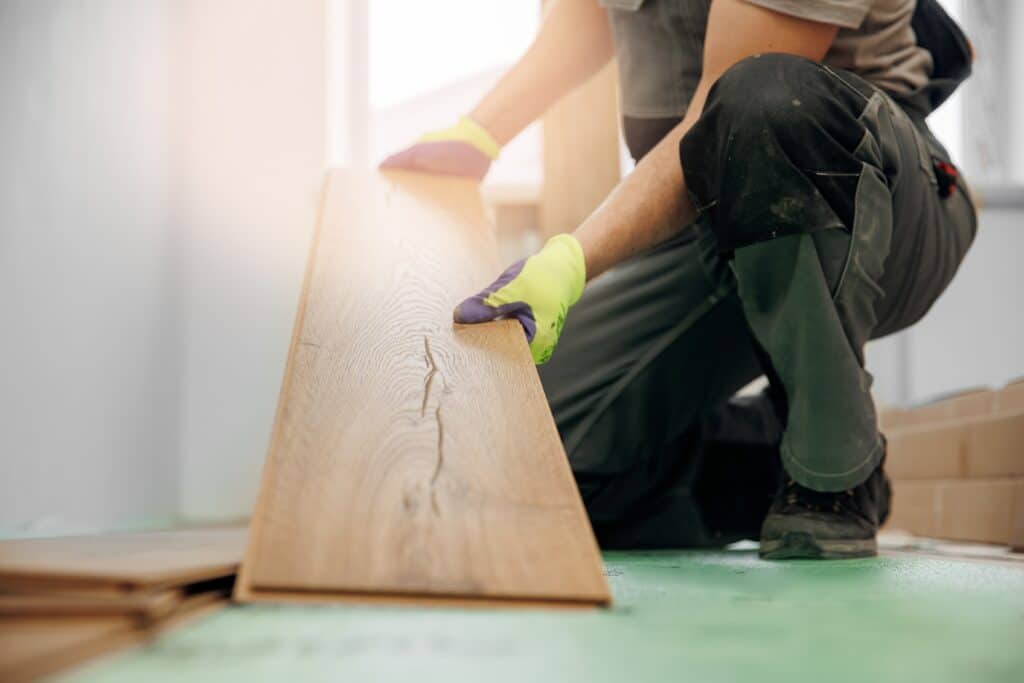
5. Expert Installation Using Proven Techniques
Once prep is complete, the hardwood installation begins. Professional installers use high-grade tools and follow manufacturer guidelines to ensure perfect results.
Three main installation methods:
1. Nail-Down Installation
Used for solid hardwood on wooden subfloors.
2. Glue-Down Installation
Ideal for engineered hardwood or installations over concrete.
3. Floating Installation
Perfect for engineered hardwood with click-lock systems.
During installation, expect installers to:
- Lay out planks for best grain and color variation
- Maintain stagger patterns for strength
- Use spacers for expansion gaps
- Make precision cuts around vents and doorways
- Install trim and transitions
- Check for alignment and straight lines regularly
Professional installers take time to ensure the finished floor looks seamless, stable, and beautifully aligned.
6. Sanding and Finishing (For Unfinished Hardwood Floors)
If you choose unfinished hardwood, your flooring installers will sand, stain, and finish the wood on-site, giving your home a smooth, custom appearance.
Professional sanding includes:
- Using industrial sanding machines with dust containment systems
- Smoothing the entire floor evenly
- Sanding edges and corners carefully
- Preparing the surface for stain adhesion
Staining and finishing
Installers will:
- Help you select stain colors
- Apply multiple coats for durability
- Add protective polyurethane layers
- Ensure an even, streak-free surface
This step transforms raw wood into a polished, gorgeous finish that matches your home’s style.
7. Post-Installation Inspection and Professional Clean-Up
A high-quality installer doesn’t just finish the floor—they ensure everything meets their workmanship standards.
During the final walkthrough, they check:
- Plank alignment
- Seam tightness
- Transitions and trim
- Stair tread finishing
- Smoothness of stain and polyurethane
- Levelness and comfort underfoot
Clean-up includes:
- Removing sawdust
- Vacuuming and sweeping
- Disposing of packing materials
- Clearing tools and debris
- Leaving your home clean and ready to enjoy
A reputable Raleigh installer leaves your home spotless and your floors looking showroom-ready.
8. Education on Proper Maintenance and Care
Your installers should guide you on how to protect your hardwood floors for the long term.
Expect them to explain:
• How to maintain ideal humidity
Raleigh homes should maintain 30–50% relative humidity to prevent wood movement.
• Recommended cleaning routines
- Microfiber mops
- Hardwood-safe cleaners
- Regular sweeping or vacuuming
• Scratch prevention
- Felt pads on furniture
- Rugs in high-traffic areas
- Avoiding rubber-backed mats
• When refinishing is needed
Your installer will explain how to recognize signs of wear, usually every 7–10 years depending on traffic.
This advice helps you keep your floors beautiful for decades.
9. Clear Warranties and Workmanship Guarantees
Professional hardwood installers in Raleigh always provide:
- Manufacturer’s warranty (for flooring materials)
- Workmanship warranty (covers installation quality)
- Guidelines for claiming warranty issues
They stand behind their service and offer support if problems arise later.
10. Transparent Pricing and Written Estimates
Reputable installers provide a detailed, written estimate that breaks down:
- Material costs
- Labor fees
- Removal and disposal charges
- Subfloor preparation costs
- Additional services
- Estimated timeline
This transparency prevents surprises and helps you compare quotes from different Raleigh flooring contractors.
Conclusion
Hiring professional hardwood floor installers in Raleigh ensures your investment is protected from start to finish. Local expertise, climate awareness, advanced tools, and true craftsmanship all contribute to floors that remain strong, beautiful, and stable for decades.
From the first consultation and moisture testing to installation, finishing, and aftercare, reliable installers provide a seamless, stress-free experience—and results that elevate your entire home.
How Can Lee’s Hardwood Floors, Inc. Help You?
If you’re ready to transform your home with stunning, long-lasting hardwood flooring, Lee’s Hardwood Floors, Inc. is the team Raleigh homeowners trust for exceptional craftsmanship and flawless results. With decades of hands-on experience, advanced installation techniques, and a deep understanding of Raleigh’s climate and construction standards, our experts ensure your hardwood floors look beautiful, perform flawlessly, and stand the test of time.
Whether you need full installation, expert refinishing, repairs, or guidance on choosing the perfect hardwood style, our team is here to make the process smooth, stress-free, and tailored to your home’s needs.
Your dream hardwood floors are just one call away. Let’s build them together.
Frequently Asked Questions
How long does hardwood floor installation usually take in a typical Raleigh home?
Most standard installations take 2–5 days depending on the size of the project and whether you choose prefinished or unfinished hardwood.
Can hardwood floors be installed in Raleigh homes with pets?
Yes—installers often recommend harder wood species and durable finishes that resist scratches and wear from pets.
Do hardwood floors increase home value in Raleigh?
Absolutely—real estate agents report that hardwood floors can significantly boost resale value and attract more buyers in the Raleigh market.
Is it safe to stay in my home during hardwood installation or refinishing?
For prefinished installations, yes; for sanding and refinishing, many homeowners choose to stay elsewhere due to noise and temporary odors.