

Solid vs Engineered Hardwood: Best Options for Raleigh’s Climate
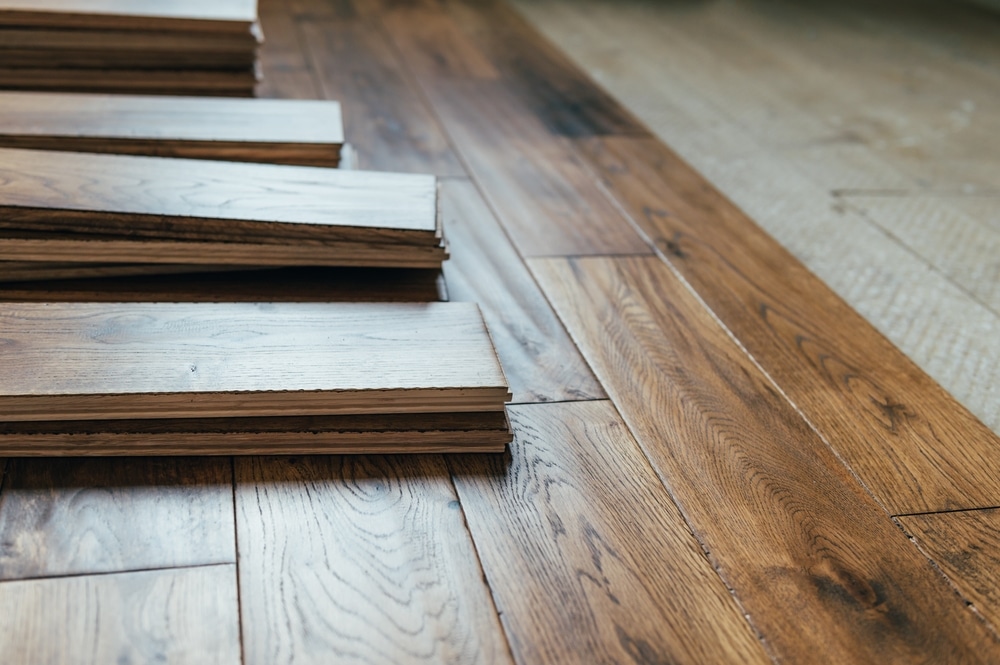
Choosing the right hardwood flooring is one of the most important decisions you’ll make for your home. Beyond aesthetics, longevity, and cost, there’s one factor Raleigh homeowners can never ignore: the climate. Raleigh’s humid subtropical weather, fluctuating indoor humidity levels, and seasonal temperature swings can dramatically affect how hardwood floors behave over time.
This is why the debate between solid hardwood and engineered hardwood matters more in Raleigh than in many other parts of the country. What works beautifully in a dry, stable climate might warp, cup, or swell in a moisture-heavy area like the Triangle.
Whether you’re renovating a home in Downtown Raleigh, building in Fuquay-Varina, updating a space in North Hills, or adding warmth to a suburban home in Cary or Apex, this detailed guide walks you through what really matters when selecting hardwood flooring in Raleigh’s climate.
Why Climate Plays a Huge Role in Flooring Decisions in Raleigh
Raleigh, NC experiences four very distinct weather patterns, each of which impacts hardwood floors:
High Summer Humidity
From May to September, Raleigh’s humidity often climbs above 80%, and temperatures frequently reach the upper 80s and 90s. Moisture in the air gets absorbed into hardwood, making boards expand.
Cooler, Drier Winters
Indoor heating dries out the air. As humidity drops, hardwood releases moisture, causing boards to contract. This leads to gaps, cracks, and uneven seams—especially in solid hardwood.
Seasonal Temperature Swings
Raleigh’s weather can shift dramatically even within days. These rapid changes cause more expansion and contraction cycles, placing stress on flooring.
Heavy Rainfall and Storm Moisture
Tropical storms and hurricane-season rains increase moisture exposure, especially in homes with crawlspaces or slab foundations.
Because wood is a living, breathing natural material, it responds to these environmental factors continuously. This is where the structure of solid and engineered hardwood makes a major difference.
What Is Solid Hardwood? A Classic Choice With Specific Needs
Solid hardwood is made from a single plank of real wood—no layers, fillers, or composite materials. This gives it a truly authentic feel underfoot and allows it to be sanded and refinished many times over its lifetime.
Why Homeowners Love Solid Hardwood
Solid hardwood has been used for centuries because of its longevity. In many historic Raleigh neighborhoods—like Oakwood, Boylan Heights, and Five Points—original hardwood floors are still in place and continue to perform beautifully. Homeowners appreciate its ability to age gracefully, develop rich character, and last for generations.
Performance of Solid Hardwood in Raleigh
However, solid hardwood is not without limitations. Because it is pure wood through and through, it naturally expands and contracts with humidity changes. Raleigh’s summers can cause noticeable swelling, and winter months often lead to shrinking and gapping. Without stable indoor humidity control (ideally between 35% and 55%), Raleigh homeowners may see warping, cupping, buckling, or seasonal gaps.
Where Solid Hardwood Works Really Well
Solid hardwood performs best on:
- Upper-level floors, where moisture levels are more stable
- Bedrooms and hallways, areas with less moisture exposure
- Living and dining rooms with consistent HVAC usage
- Historic homes, where refinishing may be required more often
This type of flooring remains a top choice for buyers prioritizing long-term value, authenticity, and traditional craftsmanship—especially in higher-end luxury neighborhoods like North Ridge, Country Club Hills, or Brier Creek.

What Is Engineered Hardwood? Modern Stability for Raleigh Homes
Engineered hardwood is made with a real hardwood top veneer bonded to a core of multiple layers of plywood or high-density fiberboard. These layers are stacked in a cross-grain pattern, giving engineered hardwood remarkable dimensional stability.
Why Engineered Hardwood Performs Better in Moisture
Engineered hardwood is specifically designed to resist the movement that plagues solid wood in fluctuating environments. The layered core resists expansion and contraction, making engineered hardwood a far better choice for places where humidity levels are inconsistent—such as Raleigh.
Where Engineered Hardwood Excels
Engineered hardwood is ideal for:
- First-floor installations
- Kitchens, where spills and steam are common
- Basements, which naturally retain moisture
- Homes with concrete slabs, common in new Raleigh communities
- Open-concept spaces, where air and temperature vary
- Rental properties, due to easy installation and maintenance
Because engineered hardwood doesn’t warp as easily, it can be used almost anywhere in a Raleigh home—something solid hardwood simply can’t match.
Modern Styles That Raleigh Buyers Prefer
Homeowners in Raleigh often gravitate toward the wide-plank, matte-finish engineered hardwood styles that pair well with modern farmhouse and transitional designs popular in North Hills, Wake Forest, Apex, and Cary. Engineered hardwood offers more versatility in stain color, plank width, and texture, making it easier to match with newer home aesthetics.
Solid vs Engineered Hardwood: Raleigh-Specific Comparison
Now that you understand each option, let’s compare them based on the unique environmental and construction factors in Raleigh.
1. Moisture Resistance: A Crucial Factor in Raleigh
When it comes to moisture, engineered hardwood clearly outperforms solid hardwood in Raleigh’s climate. The engineered core is less reactive to humidity swings, reducing the risk of cupping and warping. Solid hardwood absorbs moisture more readily, making it vulnerable when humidity spikes. Raleigh summers are hot and sticky, so engineered hardwood simply handles the climate much more gracefully.
Raleigh Winner: Engineered Hardwood
2. Long-Term Durability and Lifespan
Solid hardwood is unmatched in longevity. Many solid floors last 80–100 years because they can be sanded and refinished over and over. Engineered hardwood can still last decades—especially high-quality versions—but refinishing is limited and depends heavily on the thickness of the top wear layer.
Solid hardwood wins for long-term lifespan, but engineered hardwood offers the better daily performance in humid climates.
Durability Winner: Solid Hardwood Climate Performance Winner: Engineered Hardwood
3. Installation Options and Home Compatibility
Most modern Raleigh homes, especially new construction, use concrete slab foundations. Solid hardwood must be nailed down, which requires a plywood subfloor. This adds cost and isn’t always structurally ideal.
Engineered hardwood can be:
- Nailed
- Glued
- Or floated
This flexibility allows installation on slabs, crawlspaces, radiant heat systems, and over older subfloors without issue. If you live in communities like Knightdale Station, Heritage Wake Forest, or 5401 North, engineered hardwood offers fewer installation headaches and lower costs.
Installation Winner: Engineered Hardwood**
4. Cost Considerations in Raleigh
Solid hardwood typically costs more due to its thickness and sanding potential. Installation is more expensive as well. Engineered hardwood offers a more budget-friendly route while still delivering the beauty of real wood.
Raleigh market averages typically show:
- Solid hardwood: higher total installed cost
- Engineered hardwood: more affordable overall
For homeowners wanting the best value without sacrificing beauty, engineered hardwood usually provides a more cost-effective solution.
Price Winner: Engineered Hardwood
5. Real Estate Value in Raleigh
Both solid and engineered hardwood increase resale value in Raleigh. Buyers love hardwood floors, especially in areas like Cary, Apex, and Midtown Raleigh where modern design trends dominate.
However:
- Solid hardwood appeals to luxury homebuyers who value long-term durability.
- Engineered hardwood appeals to practical buyers who want low maintenance and moisture stability.
Both are valuable, but solid hardwood carries a slight edge in luxury markets.
Luxury Value Winner: Solid Hardwood Practical Value Winner: Engineered Hardwood

Recommended Hardwood for Raleigh’s Climate
Taking all factors into account, including humidity, seasonal shifts, installation flexibility, and long-term performance, engineered hardwood is the best overall choice for the average Raleigh homeowner.
Why Engineered Hardwood Is the Best All-Around Option
- It withstands Raleigh’s humidity far better
- It’s ideal for first floors, basements, and kitchens
- Installation is easier and typically more affordable
- It is highly resistant to warping and cupping
- Offers a wide range of modern design options
- Works well with HVAC systems and radiant heat
When Solid Hardwood Is Still a Great Choice
Solid hardwood remains ideal for:
- Second-floor installations
- Homes with humidity control systems
- Historic restoration projects
- Long-term ownership or legacy homes
- Buyers who plan to refinish multiple times
Room-by-Room Flooring Recommendations for Raleigh
Where Solid Hardwood Works Best
Solid hardwood shines in:
- Bedrooms
- Hallways
- Formal dining rooms
- Living rooms with consistent humidity
- Second or third floors
- Homes in historic neighborhoods
These rooms experience fewer moisture fluctuations and benefit from the durability and refinishability of solid wood.
Where Engineered Hardwood Performs Best
Engineered hardwood is the smarter choice for:
- Basements in Raleigh, Cary, Apex, and Fuquay
- Ground-level living areas
- Open floor plans
- Homes built on concrete slabs
- Kitchens or spaces with humidity exposure
- Homes with fluctuating indoor climates
Its dimensional stability allows wider installation possibilities throughout Raleigh homes.
Best Hardwood Species for Raleigh Homes
Certain species of wood handle humidity better and are more stable in Raleigh’s climate.
White Oak
Highly stable, versatile, and resistant to moisture. It’s one of the most popular options for Raleigh homes.
Hickory
Extremely dense and durable. Its hardness helps reduce visible wear and movement.
Maple
Beautiful grain patterns with decent stability. Works well in modern designs.
Walnut and Red Oak
Offer warmth and rich tones, perfect for traditional North Carolina-style homes.
How to Maintain Hardwood Floors in Raleigh’s Climate
Hardwood floors in Raleigh require proper moisture management. The key is maintaining humidity between 35% and 55% year-round.
Maintenance Tips
- Use dehumidifiers during the summer
- Add humidifiers during winter heating season
- Clean up spills immediately
- Avoid steam mops, which damage wood
- Use proper hardwood-safe cleaners
- Place mats at entryways to reduce moisture and grit
- Maintain consistent indoor temperature
- Use protective pads under furniture legs
Good maintenance prevents most climate-related issues and extends the lifespan of your floors significantly.
How Can Lee’s Hardwood Floors, Inc. Help You
Confused about whether solid or engineered hardwood is the right choice for your Raleigh home? Let the experts at Lees Hardwood Floors Inc. guide you through every step. Raleigh’s humidity, seasonal temperature changes, and varied home foundations make hardwood selection more than just a style decision—it’s a structural one. Our team understands how local climate impacts wood performance, and we use that knowledge to help you choose the flooring that will look stunning and stay durable for years.
Whether you’re renovating a home in Midtown, updating a family space in Cary or Apex, or finishing a new build in Wake Forest, we provide personalized recommendations, high-quality materials, and precision craftsmanship trusted by homeowners across the Triangle.
Call Lees Hardwood Floors Inc. today to book your professional hardwood flooring assessment. We’ll walk you through the best solid and engineered hardwood options for your home—and ensure you get a floor built to thrive in Raleigh’s climate.
Frequently Asked Questions
What type of hardwood performs best during Raleigh’s humid summers?
Engineered hardwood performs best because its multi-layered core resists swelling, warping, and cupping during periods of high humidity.
How often should I refinish hardwood floors in Raleigh?
Solid hardwood may be refinished every 7–10 years depending on wear. Engineered hardwood can be refinished only if the wear layer is thick enough.
Can hardwood floors be installed in a Raleigh kitchen?
Yes, engineered hardwood is generally safe for kitchen installations as long as spills are cleaned promptly.
Do engineered hardwood floors look the same as solid hardwood?
Absolutely. Engineered hardwood has a real wood top layer, so visually it is identical to solid hardwood once installed.